


The latest trend of mixing different materials, colors, textures, and metals is inspiring kitchen designers to bring new creativity to projects. The challenge is to strike the right balance with contrasting elements. The combined elements should create visual interest without overwhelming the space. Check out some clever ideas for mixing elements to create kitchens that are both stylish and functional.

Nurture with Nature
Humans are drawn to nature, and several recent studies have shown that being surrounded by natural elements can have a positive impact on wellbeing. Biophilic design brings elements of nature like natural lighting, landscape features, and natural materials into the built environment. Designers have embraced the concept and are incorporating a wide range of natural elements into kitchen designs. Biophilic design elements can be integrated into kitchens by mixing select materials that add depth and texture to design.

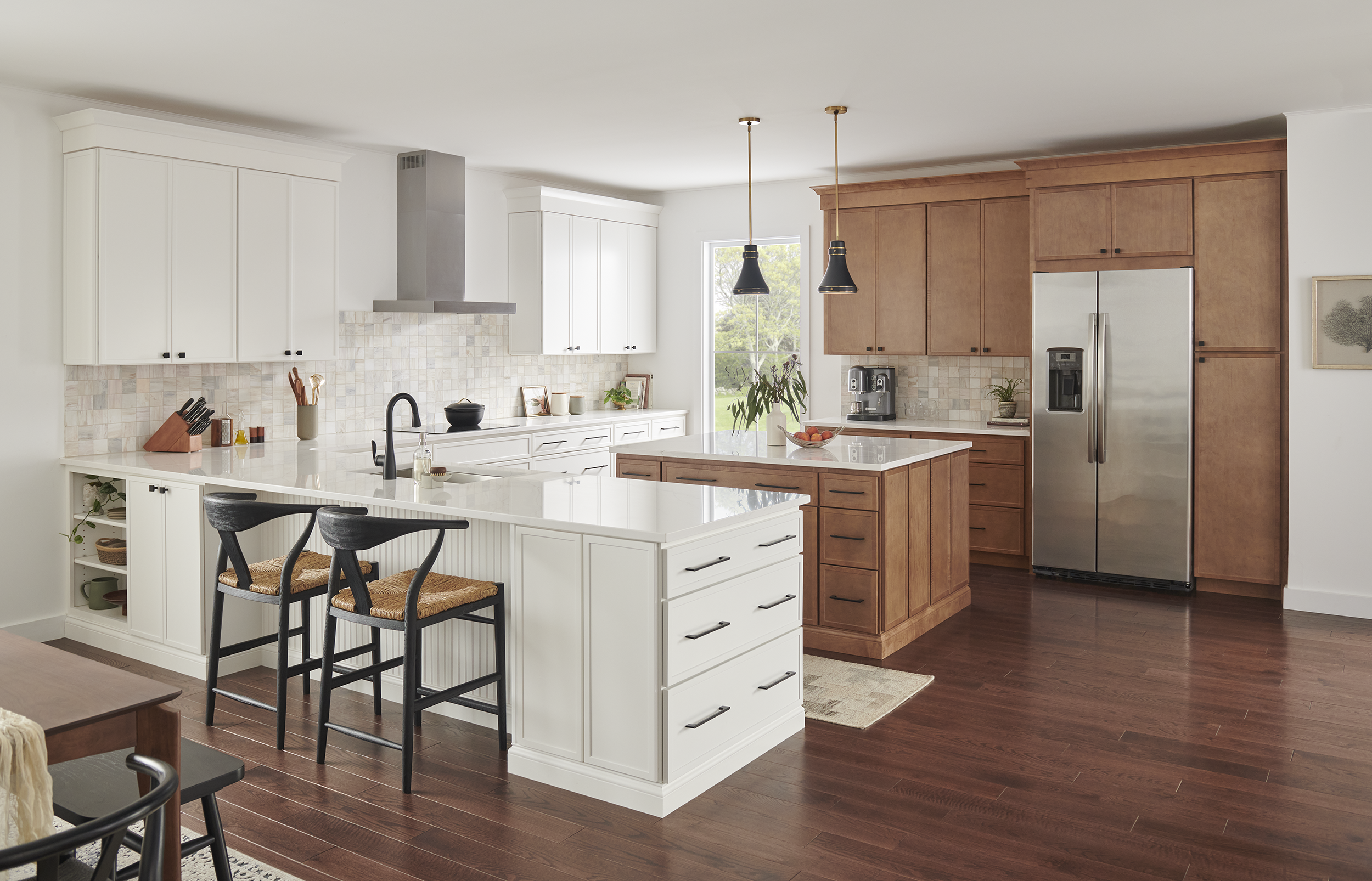
Natural wood-tone cabinetry paired with stone countertops or backsplashes provide a foundation for a wide range of looks. Wood and stone combinations can create a contemporary or rustic feel in the kitchen. Wood adds warmth and character, while stone provides durability and a timeless appeal. Adding greenery to the kitchen with plants or a window herb garden is an easy way to bring a natural element into any kitchen space.

Cabinetry Color Contrast
Color plays an important role in developing the look and feel of a kitchen. Kitchen designs featuring contrasting cabinetry colors make a dramatic statement. Start with a neutral base such as white, grey, or natural wood–tone for the upper and lower cabinets for a clean, uniform look, then introduce a different color for the kitchen island. In kitchens without islands, designers can choose a light color cabinetry for the upper cabinets and a contrasting tone for the lower cabinets. This two-tone combination can make smaller kitchens feel more spacious.

Blending Metal Finishes
Gone are the days of matching all the metals in your kitchen. Mixing metals can add a layer of sophistication and interest. Warm metals like brass or copper can be combined with cool metals like stainless steel or chrome. A contemporary kitchen with stainless steel appliances can have brass-toned light fixtures and decorative hardware to give the kitchen a more curated and less uniform feel.

There are several unexpected ways to incorporate mixed finishes and textures to create a personalized feel in any kitchen. Polished metals like satin nickel or brushed gold pair beautifully with matte black finishes for a clean, elegant look in any kitchen. Introducing textured elements like unpolished backsplash tiles or knurled pulls on cabinetry provides both visual and tactile interest that is subtle yet impactful. Decor elements like bowls or trays featuring coordinating elements can be strategically placed in the kitchen to create a cohesive, pulled together look in the space.

Balance is Key
While there are no hard and fast rules for mixing elements, there are some tips to help ensure a cohesive look. It is important to have a consistent overall style for the kitchen, whether it’s modern, rustic, industrial, or traditional. Repeating certain materials, patterns, colors, shapes, or metals throughout the kitchen can help create a sense of unity in the design. The most important element of any mixed design is to ensure that the space doesn’t become visually overwhelmed with too many different elements. The goal is to create a kitchen space that provides a harmonious feel where no single element overpowers the others.